History at 70 MPH: Bent's Old Fort, the Santa Fe Trail, and Dodge City
Posted on Tue 14 July 2026 in Rides
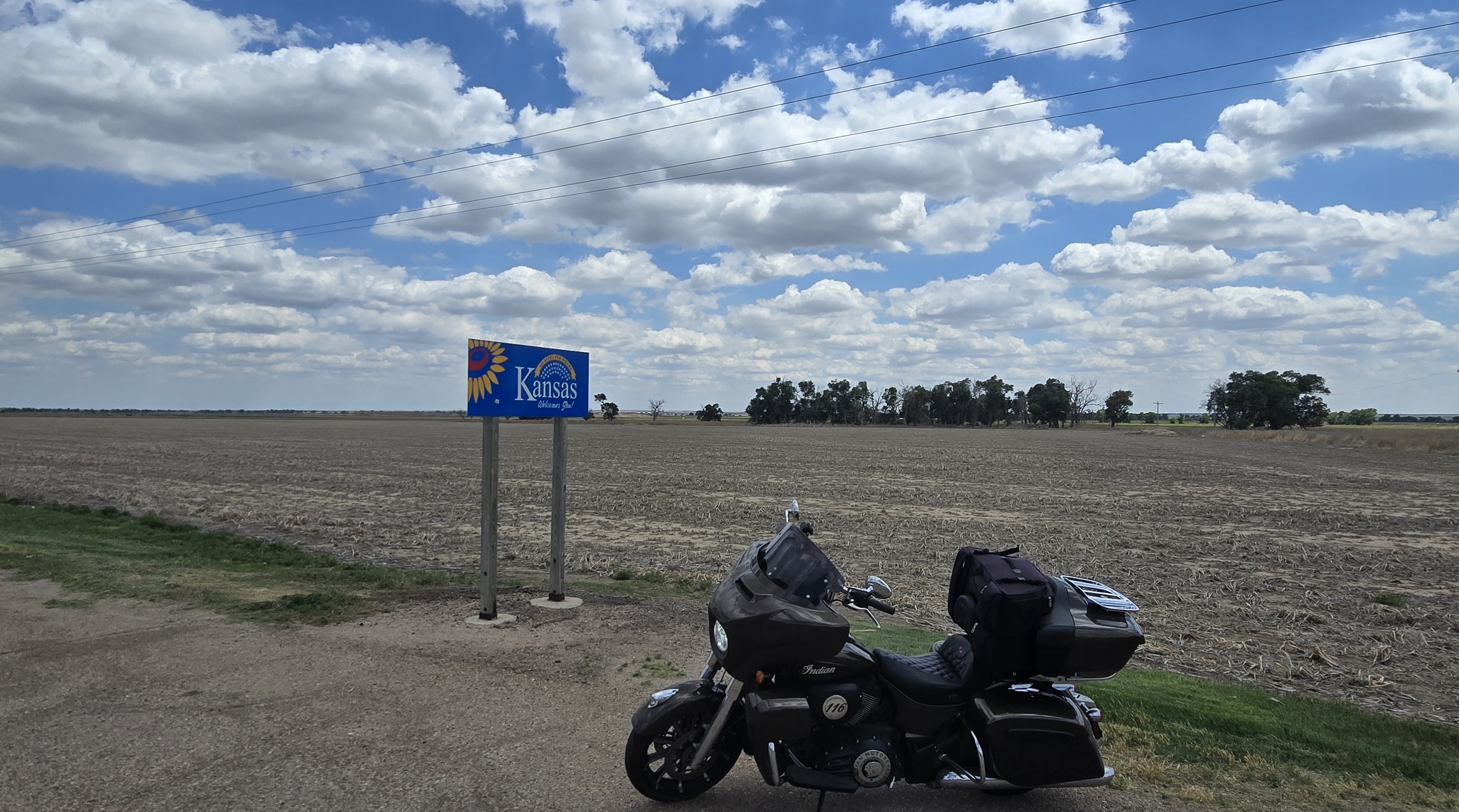
There's a particular feeling you get when you realize the road you're riding was once a trail that people walked to survive.
The Santa Fe Trail cuts across the southern plains in a way that still leaves marks on the land - ruts pressed into the earth by wagon wheels, low ridges that haven't smoothed out in 150 years. You can ride past them at highway speed and miss them entirely. Or you can stop, walk out into the grass, and understand that the people who made those marks had no guarantee they'd reach the other end. The road I was riding home on followed their path. That changes how you think about distance.
Bent's Old Fort
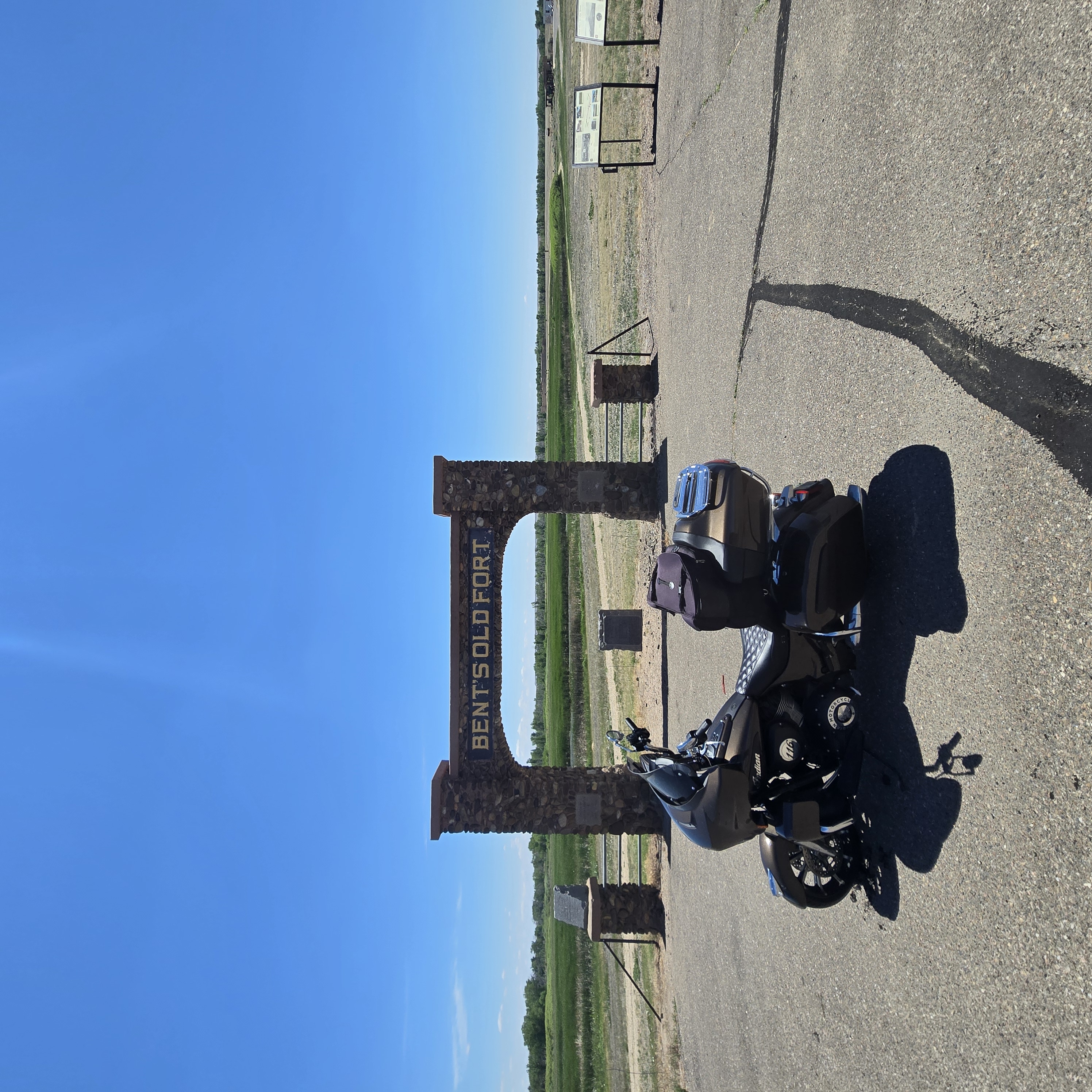
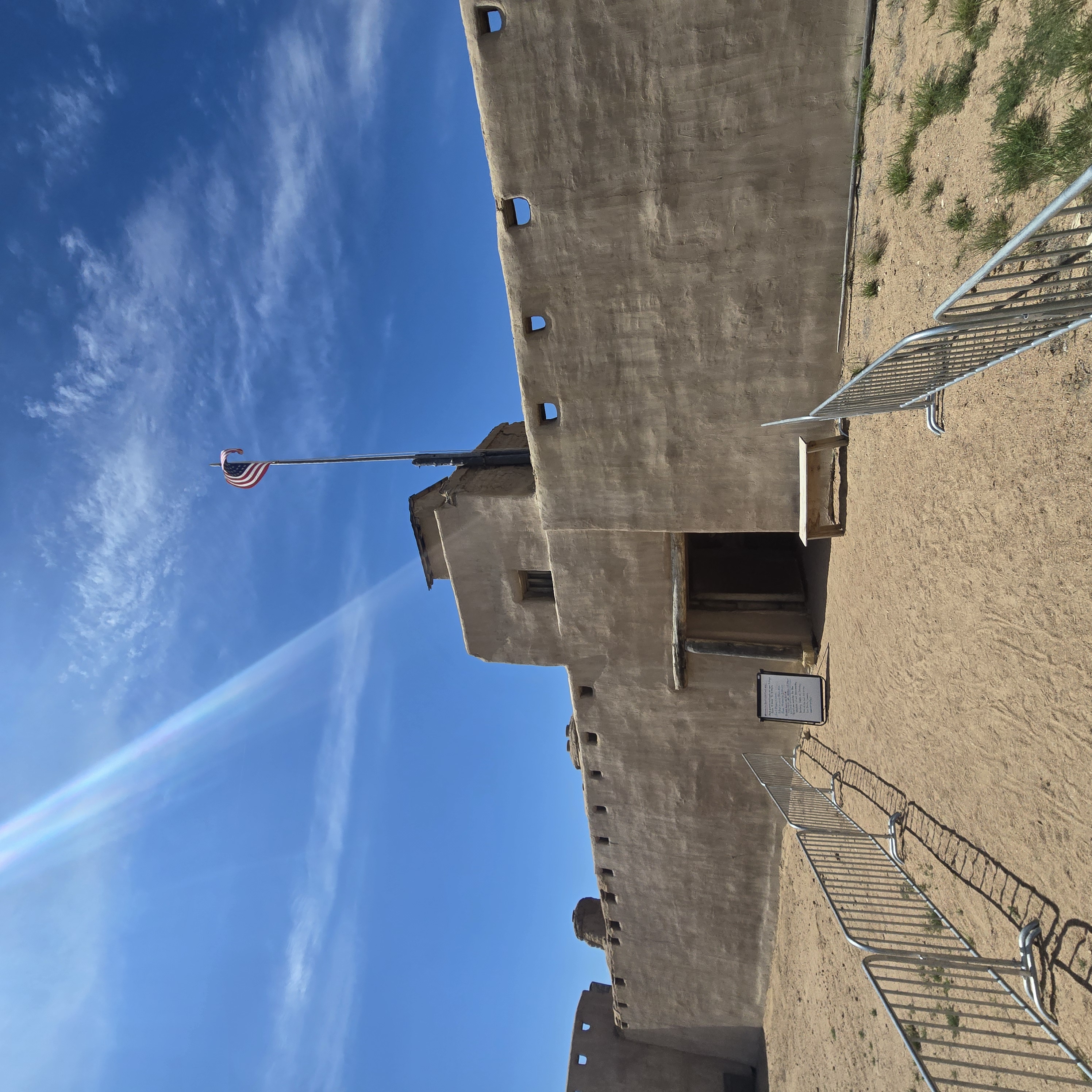
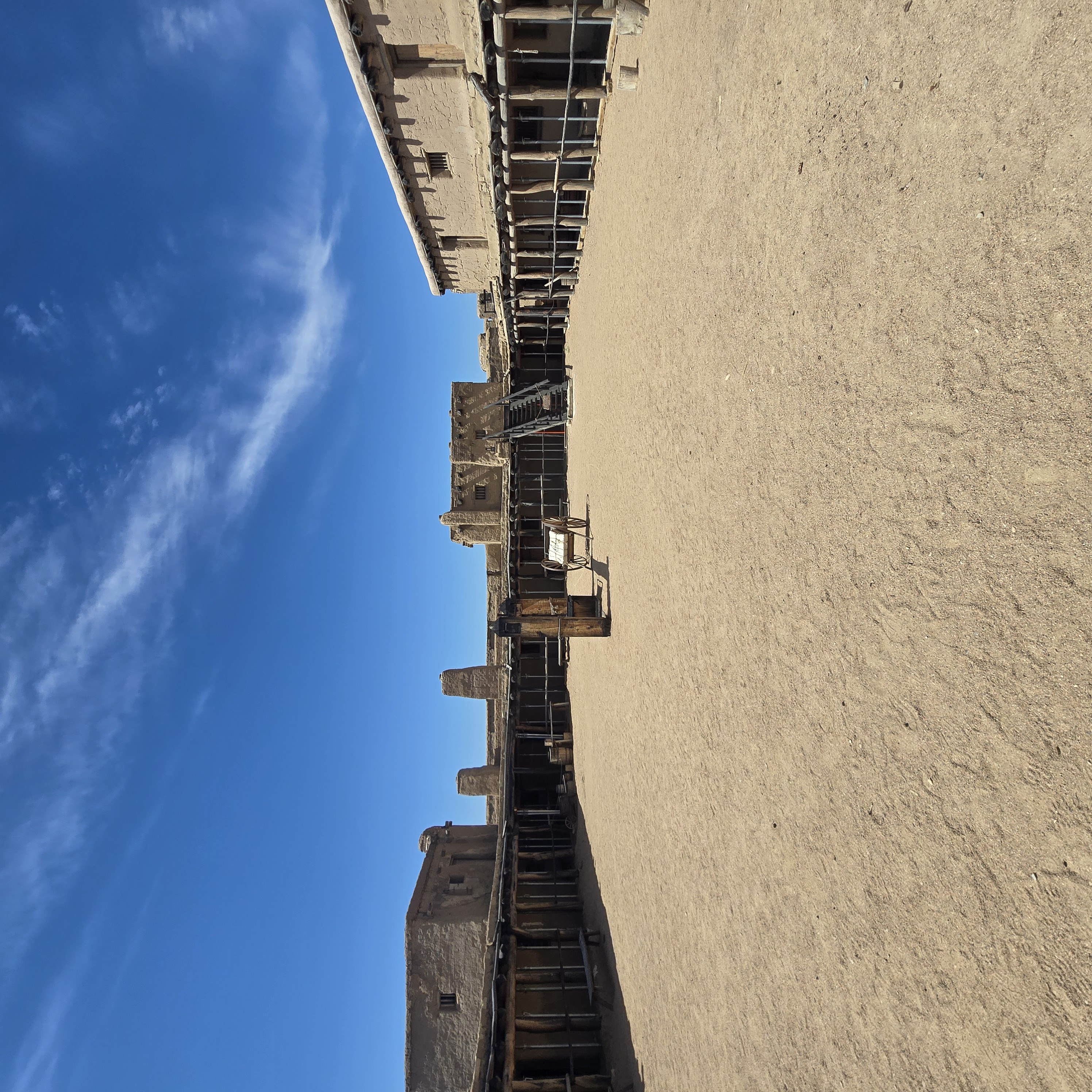
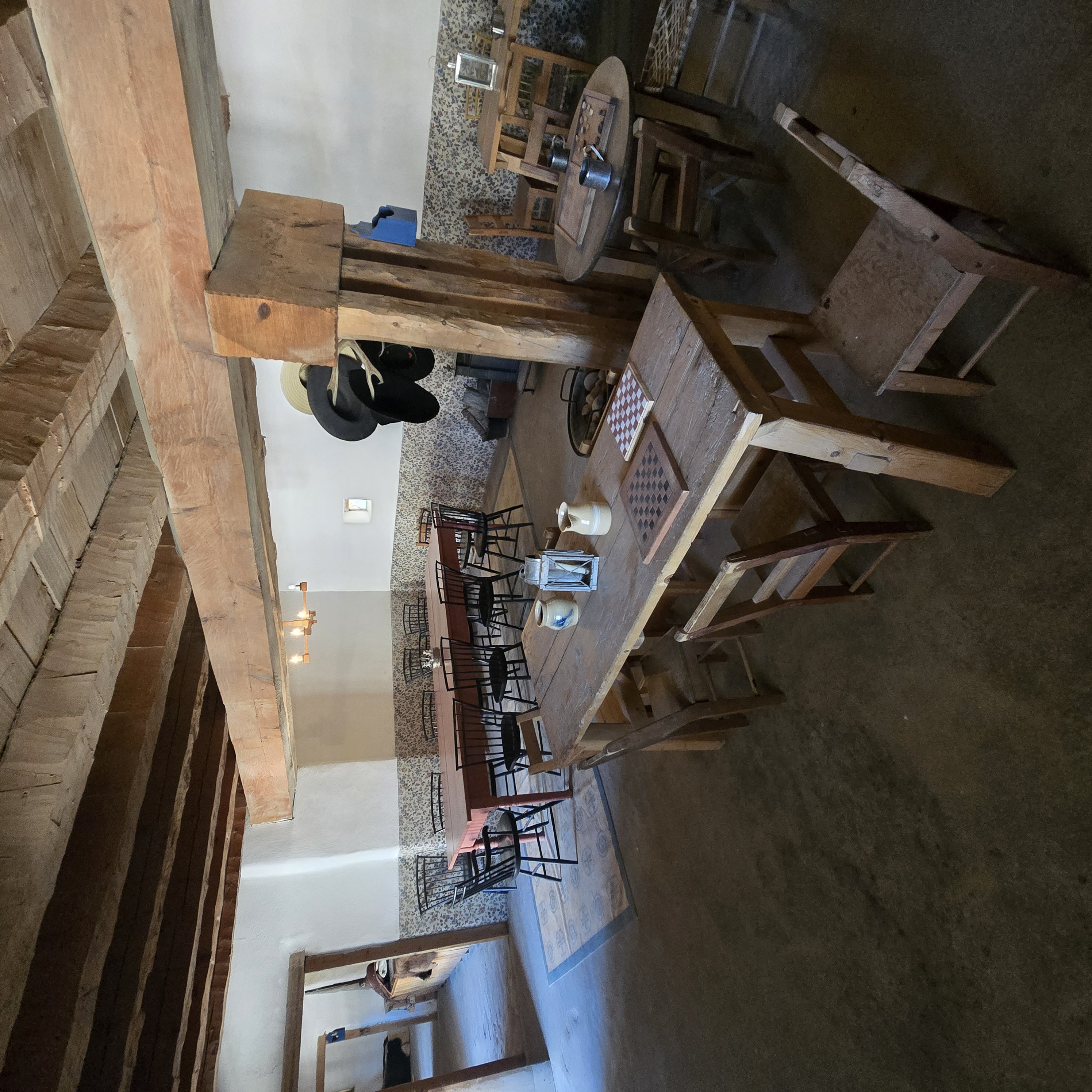
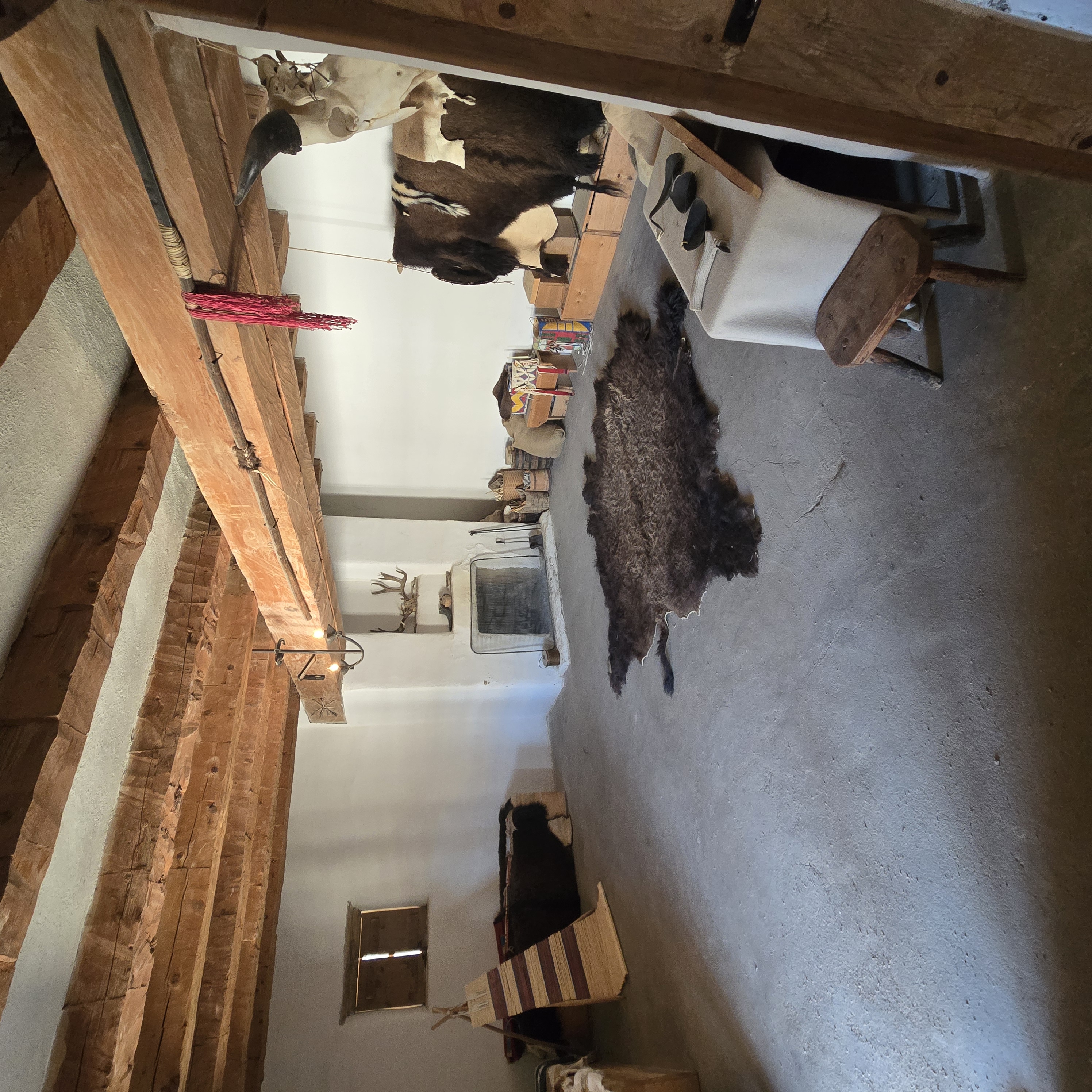
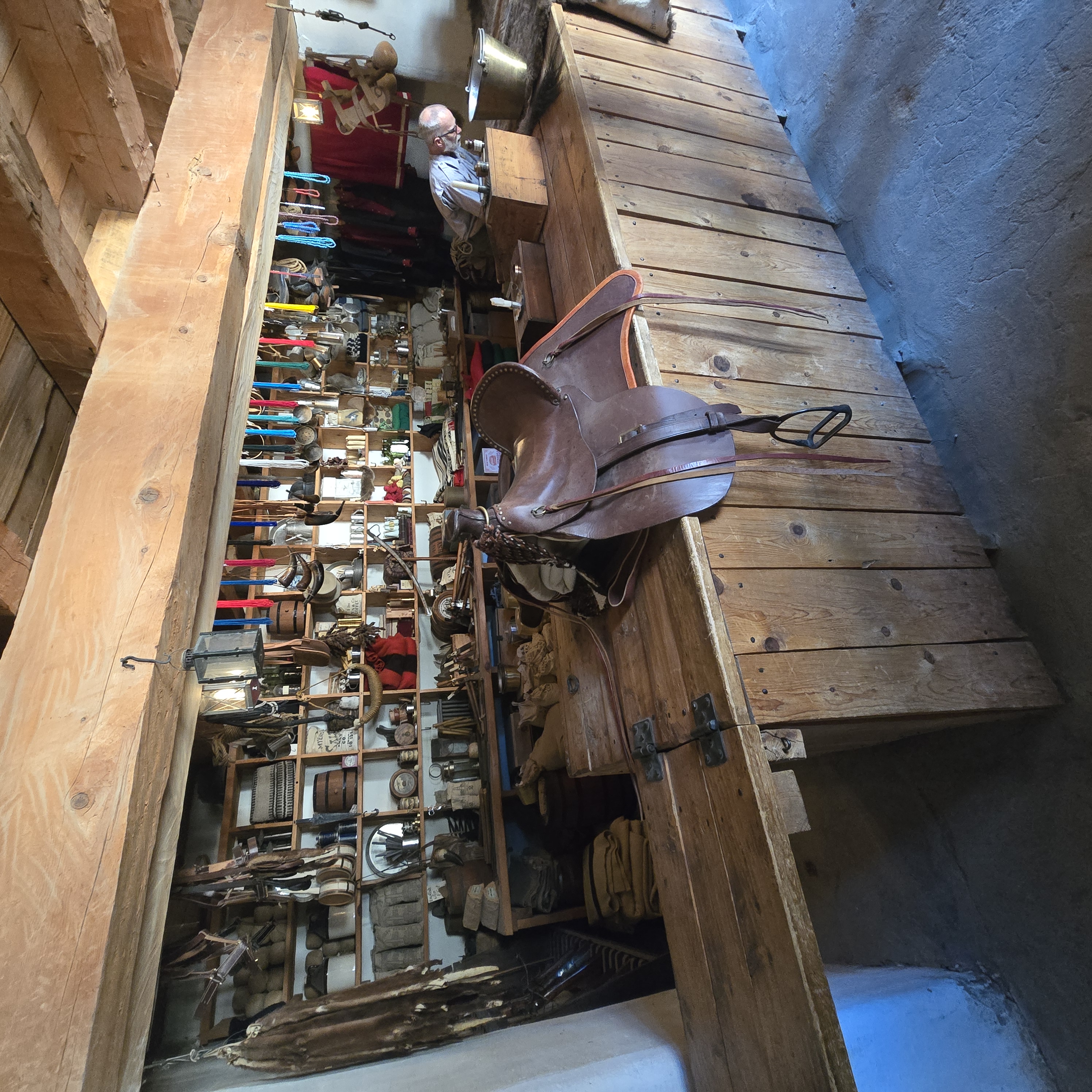
Bent's Old Fort National Historic Site sits outside La Junta, Colorado, on the banks of the Arkansas River. In the 1830s and 1840s it was the most significant trading post on the entire Santa Fe Trail - the place where Comanche, Cheyenne, Arapaho, and Anglo traders met on more or less neutral ground, where goods moved between worlds that rarely intersected peacefully anywhere else.
The fort has been meticulously reconstructed from historical records and archaeology. Adobe walls, period-accurate furnishings, staff in period dress going about the work of a functioning trading post. It's the kind of living history that earns its name.
I spent longer here than I planned to. There's something about a place that was once genuinely important - not important in the "tourist attraction" sense, but important in the sense that real decisions with real consequences happened within these walls. You can feel the weight of that if you slow down enough to let it land.
The Santa Fe Trail
The Santa Fe Trail ran roughly 900 miles from Missouri to Santa Fe, New Mexico, and it was active from 1821 until the railroad made it obsolete in 1880. It wasn't a romantic road. It was a commercial route, brutal and necessary, where people moved trade goods across open country that had no interest in making it easy for them.
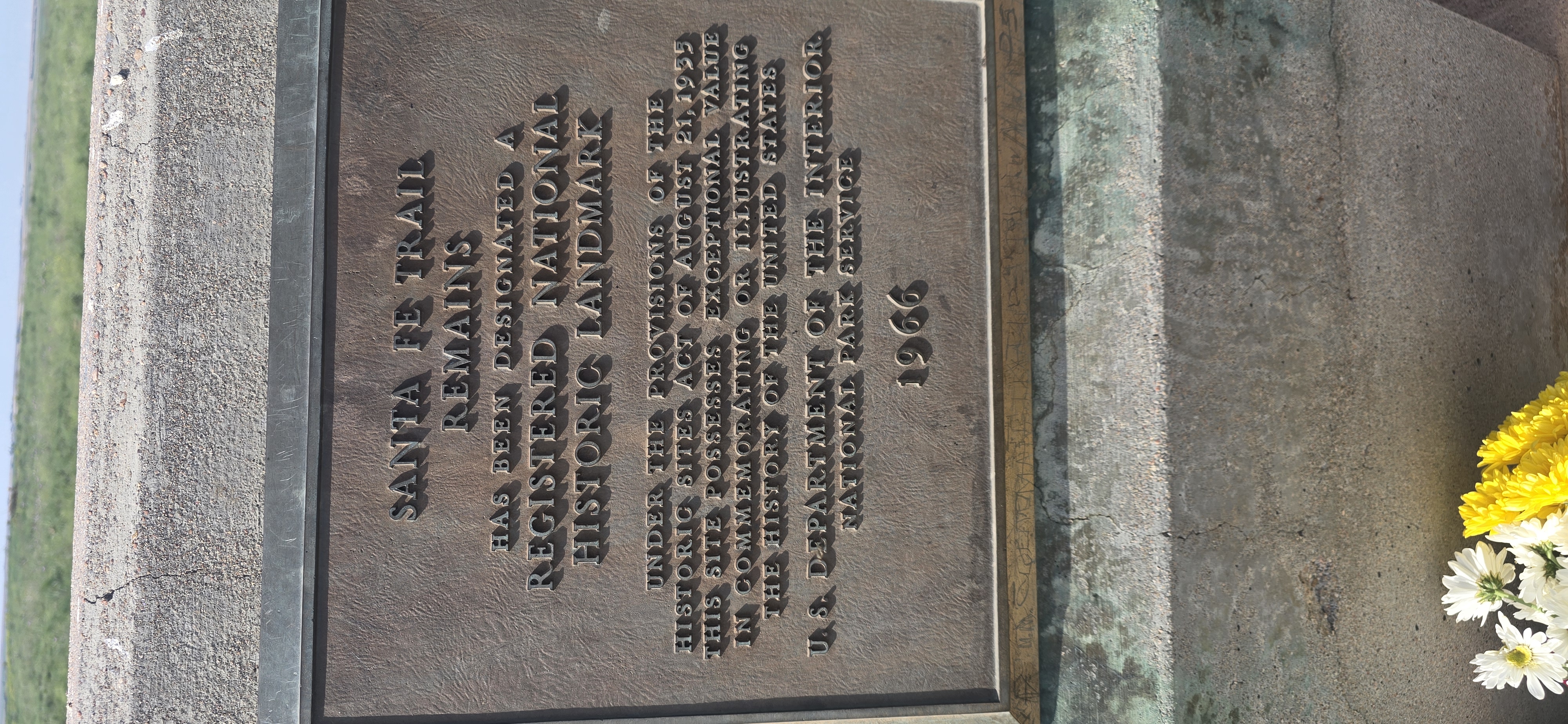
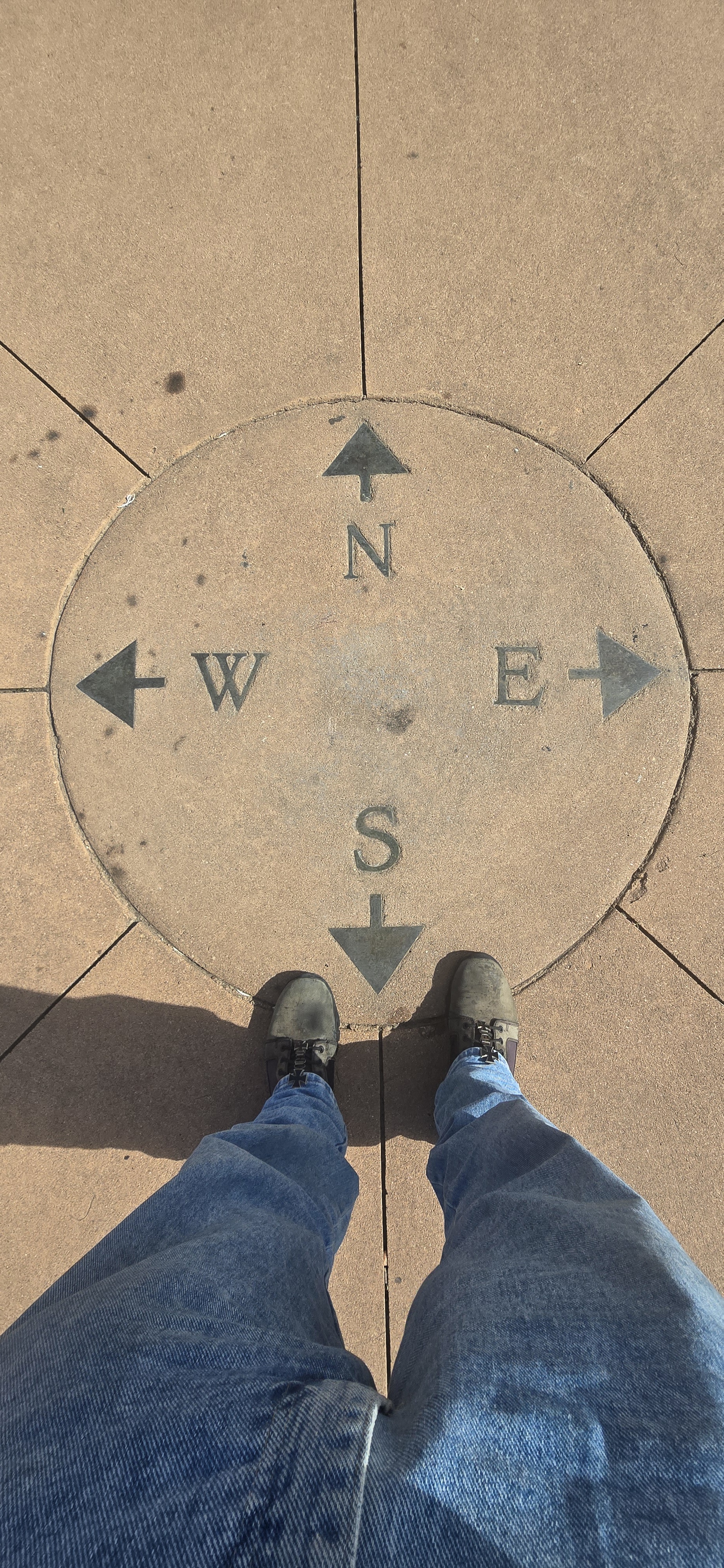
The wagon ruts are still visible in places - depressions in the ground that modern land use never quite erased. Standing next to them, you do the math. Those grooves are 150 years old. They represent hundreds of thousands of wagon wheel rotations, made by people who loaded everything they were carrying onto wooden vehicles pulled by animals and committed to months of travel each way.
I ride a motorcycle that weighs 800 pounds. I carry what fits in saddlebags. I was complaining about a headwind earlier in the week.
Dodge City
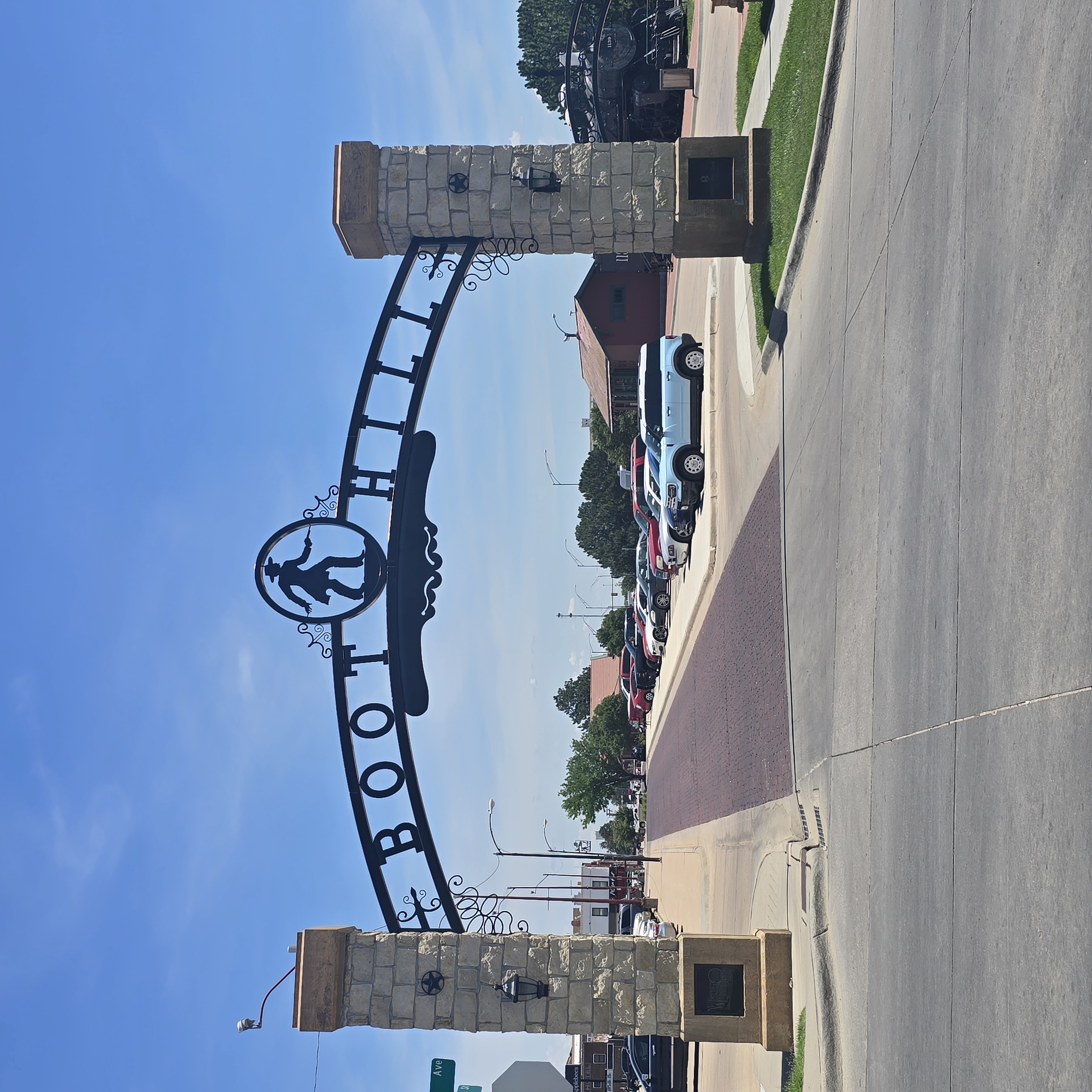
Dodge City is the kind of place that knows exactly what it is and leans into it without apology. The most famous cattle town in American history, the end of the Chisholm Trail, the place that turned lawlessness and gunfighter mythology into its own economy. They've been trading on the Wyatt Earp and Doc Holliday legend for a hundred years and show no signs of stopping.
I spent two days here, which turned out to be exactly right.
Boot Hill Museum
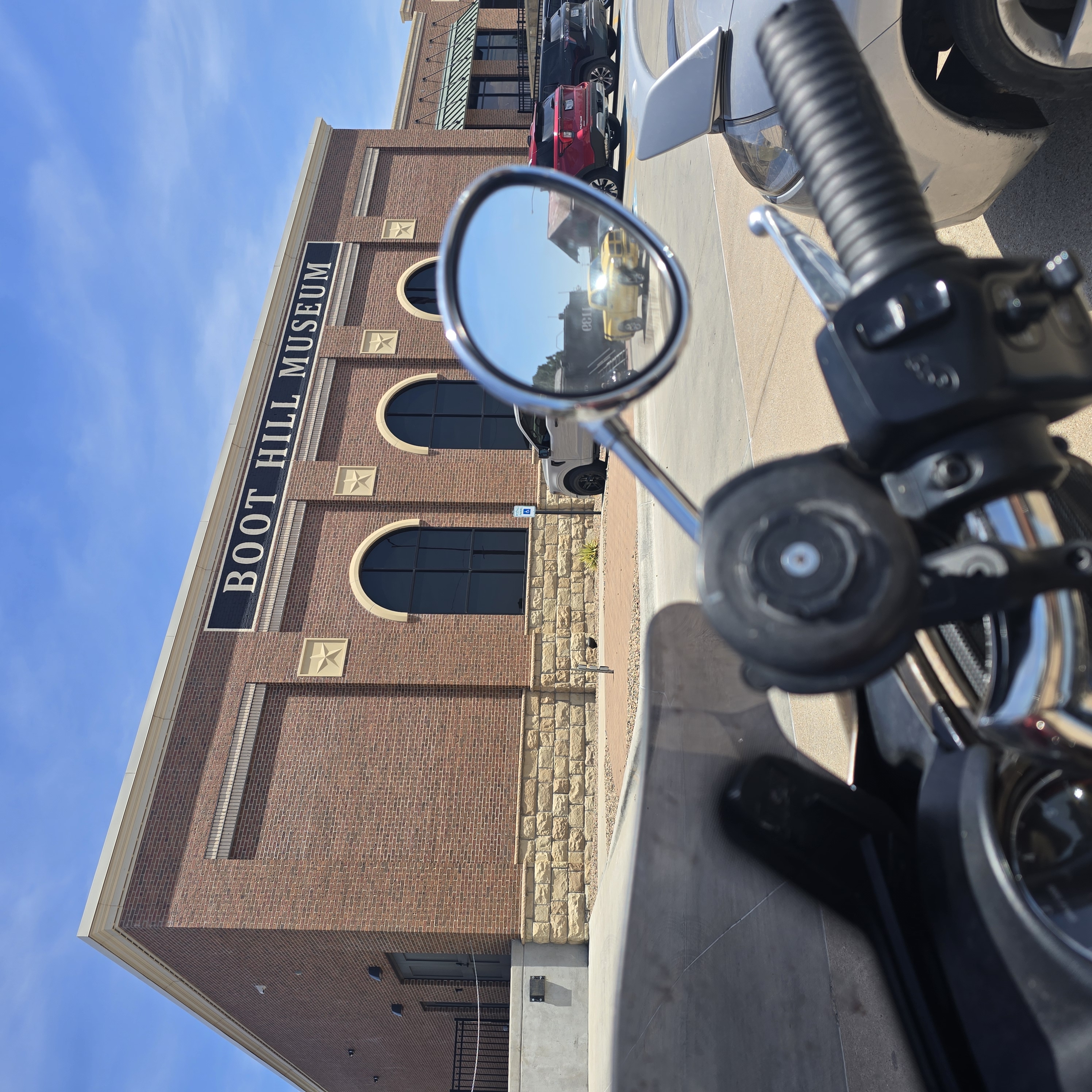
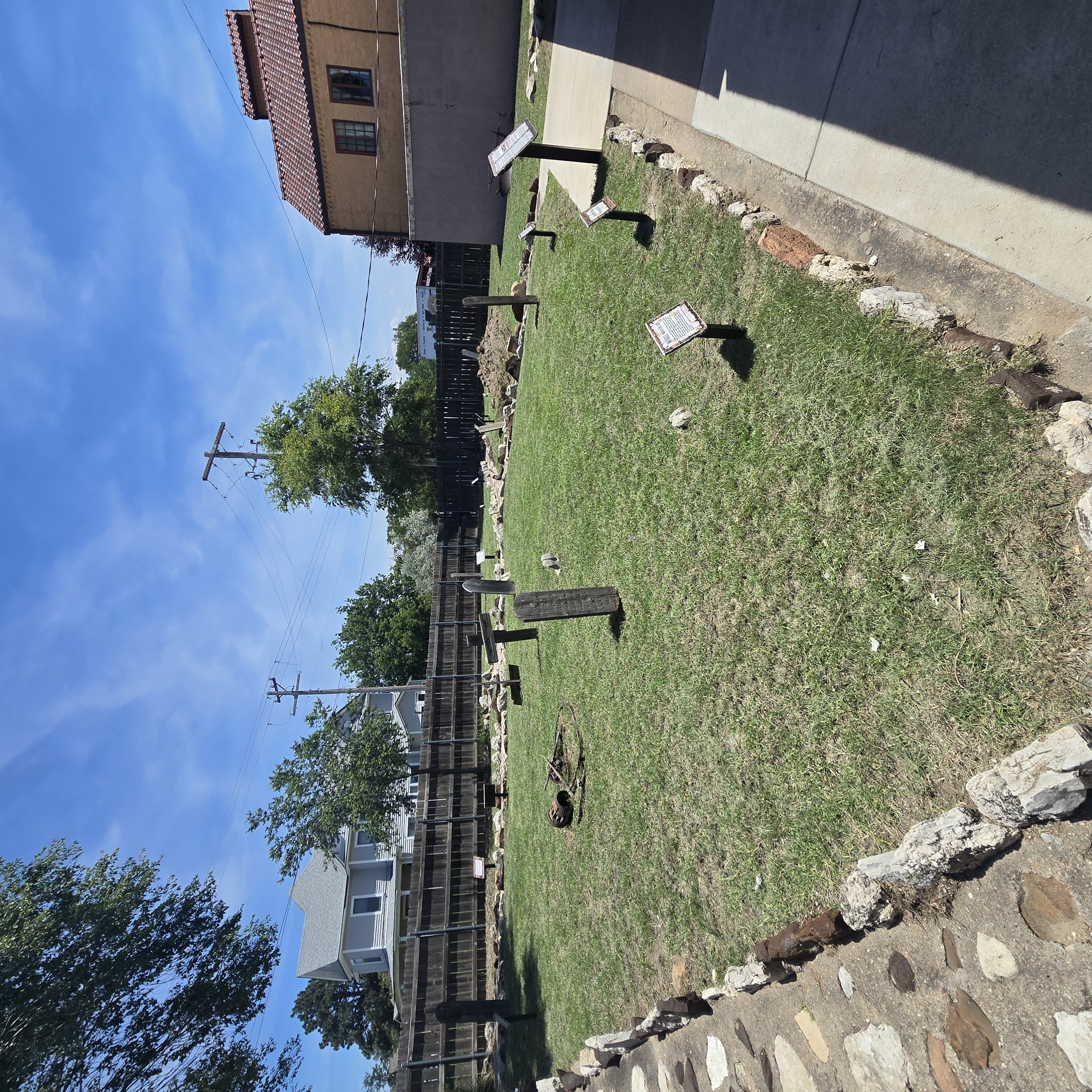
The Boot Hill Museum anchors the historical district and is worth the time. The complex includes a reconstructed Front Street from the 1870s, the original Boot Hill cemetery, and more artifacts than you can take in a single pass. The jail cell is legitimately atmospheric - small, dark, and sufficiently grim to make you reconsider any romantic notions about frontier justice.
The Wagon Ruts
Outside of town, along the original trail corridor, you can walk out to wagon ruts that the Santa Fe Trail left behind. Nothing marks them dramatically. There's no big sign or visitor center. Just the earth, shaped by something that passed through long ago and left an impression that the grass never quite covered over.
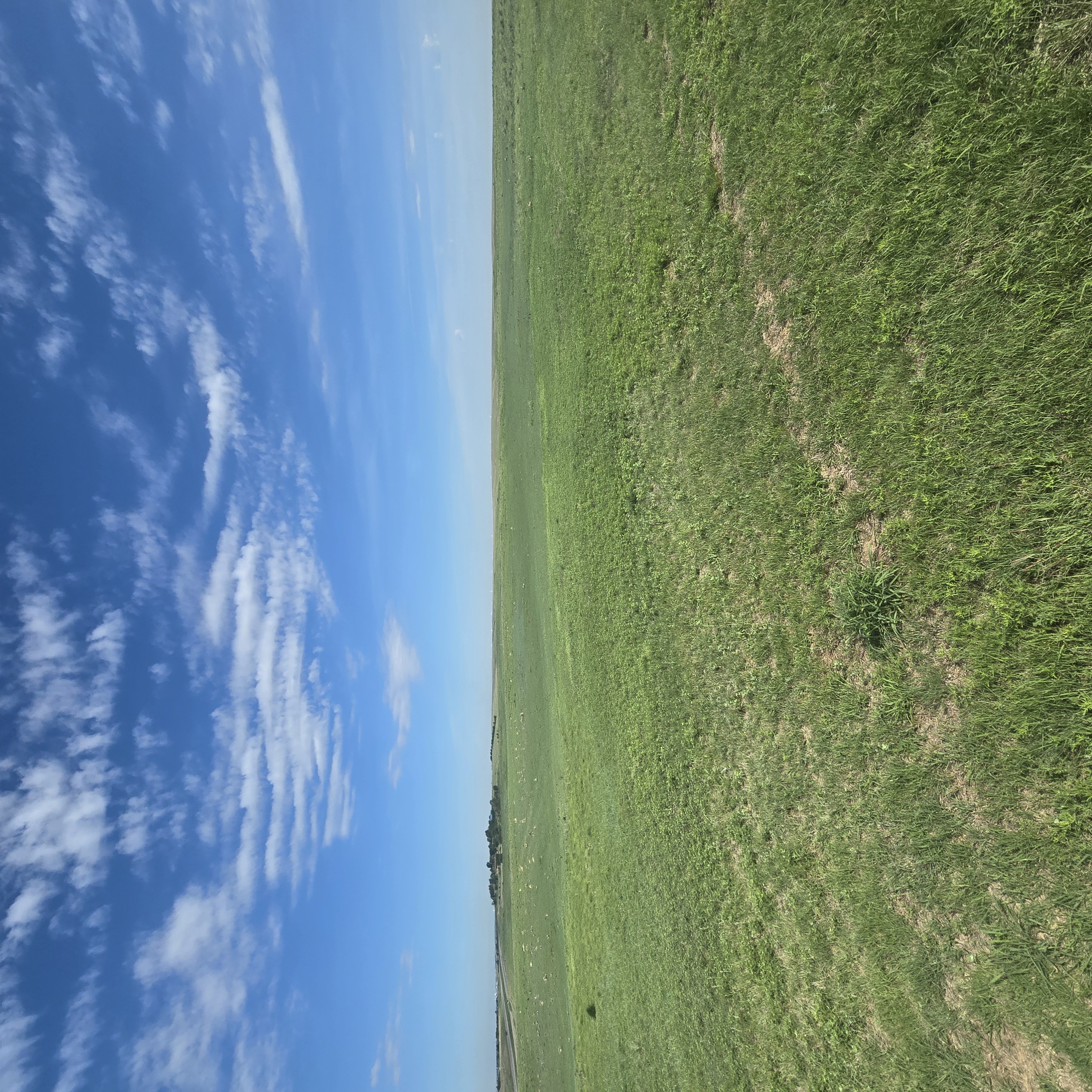
I stood out there for a few minutes. The wind was doing what Kansas wind does. It was a good moment.
The Gunfighter's Wax Museum
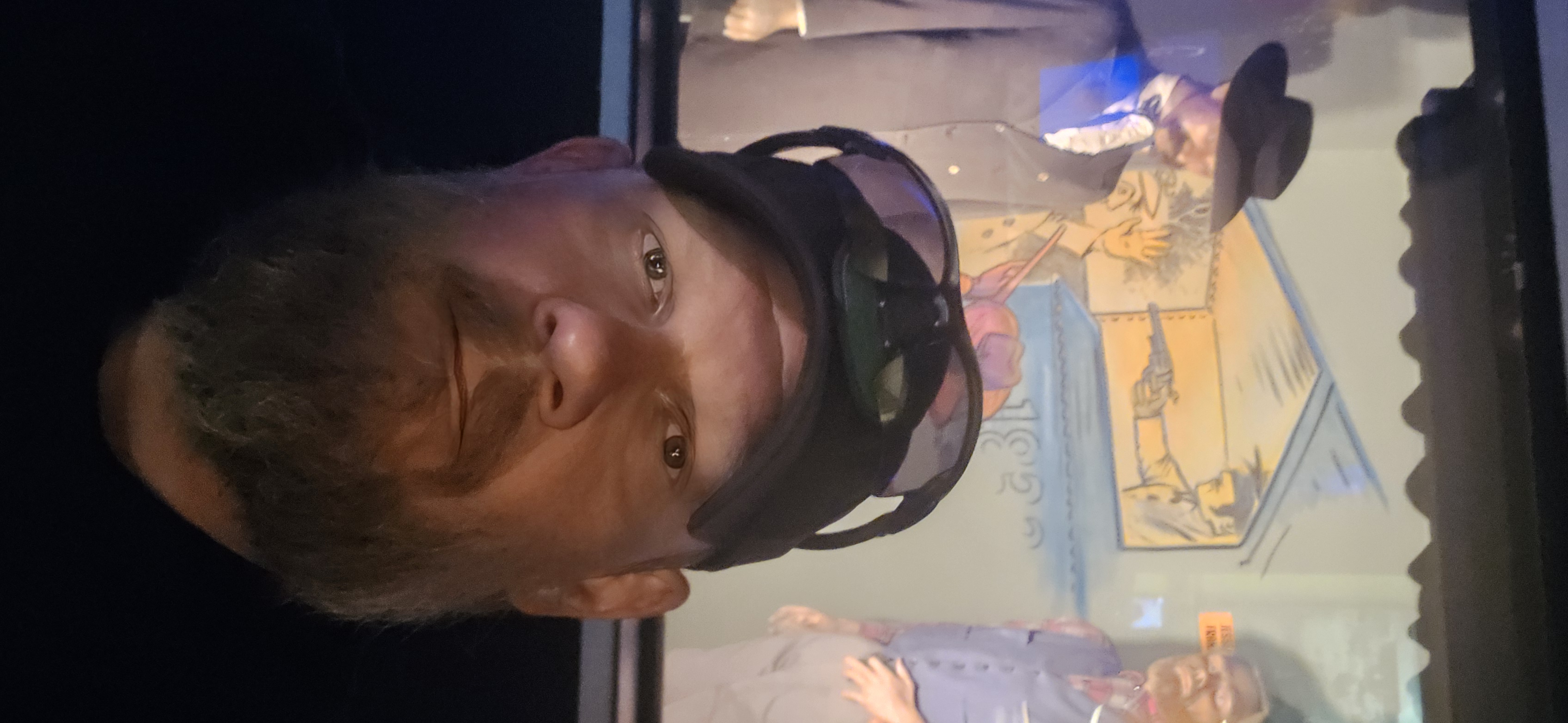
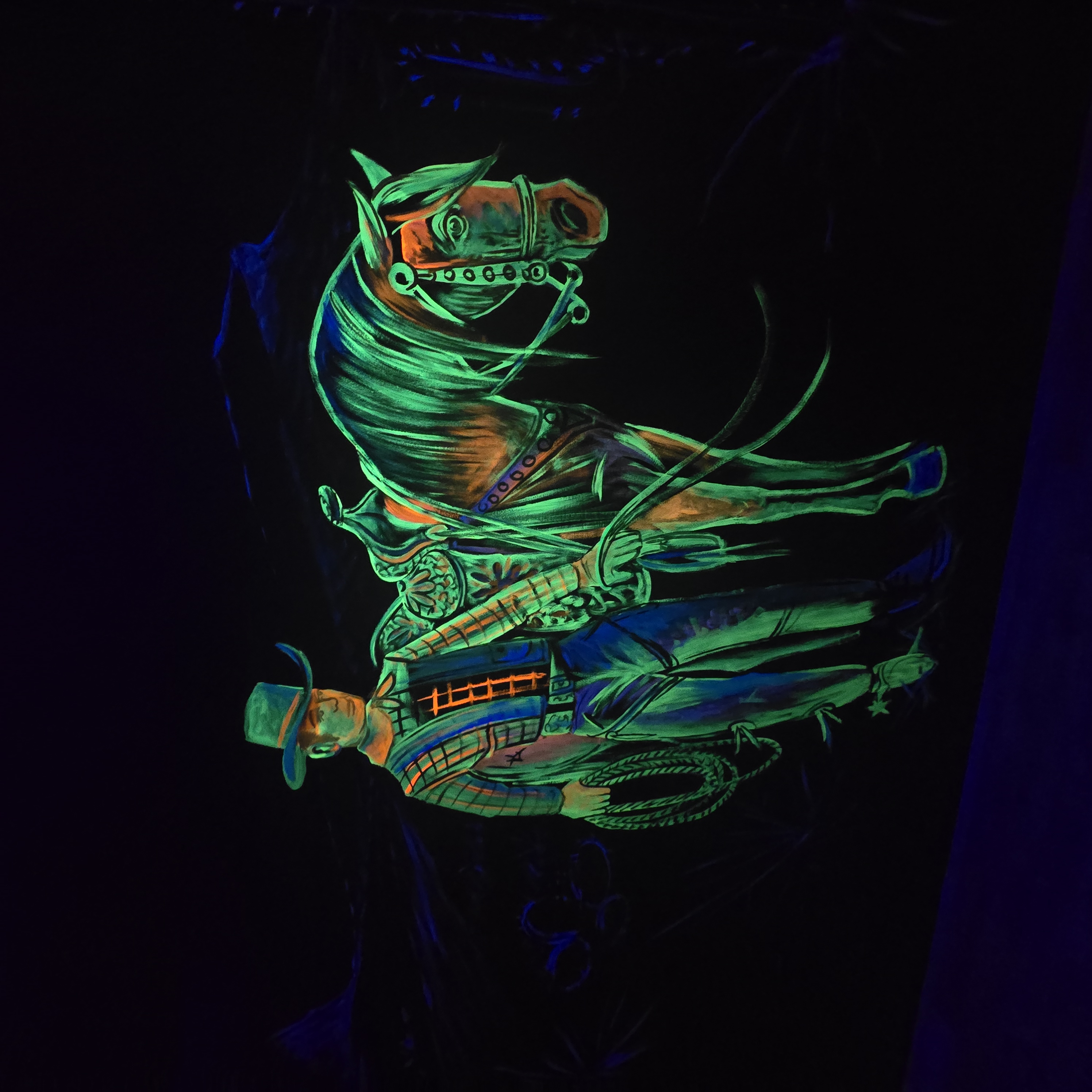
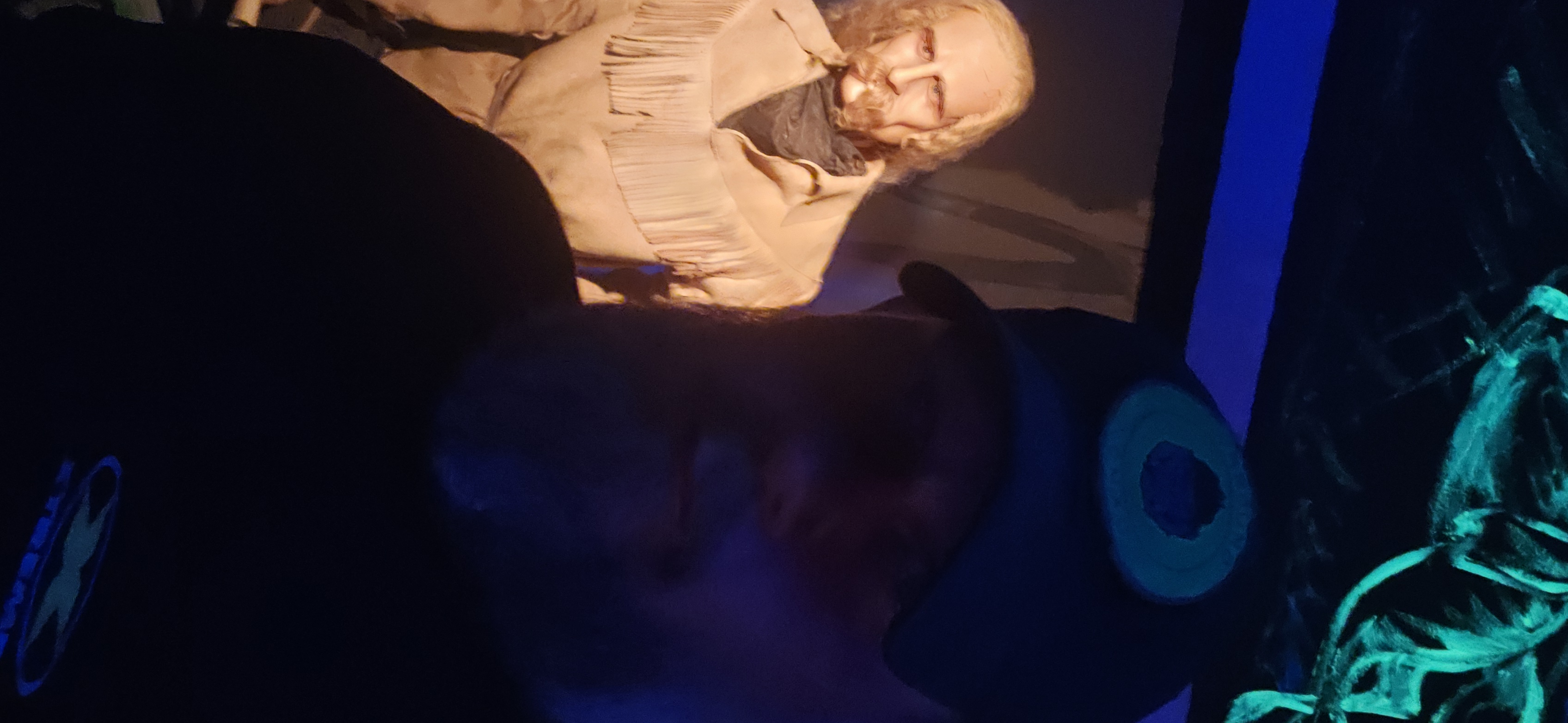
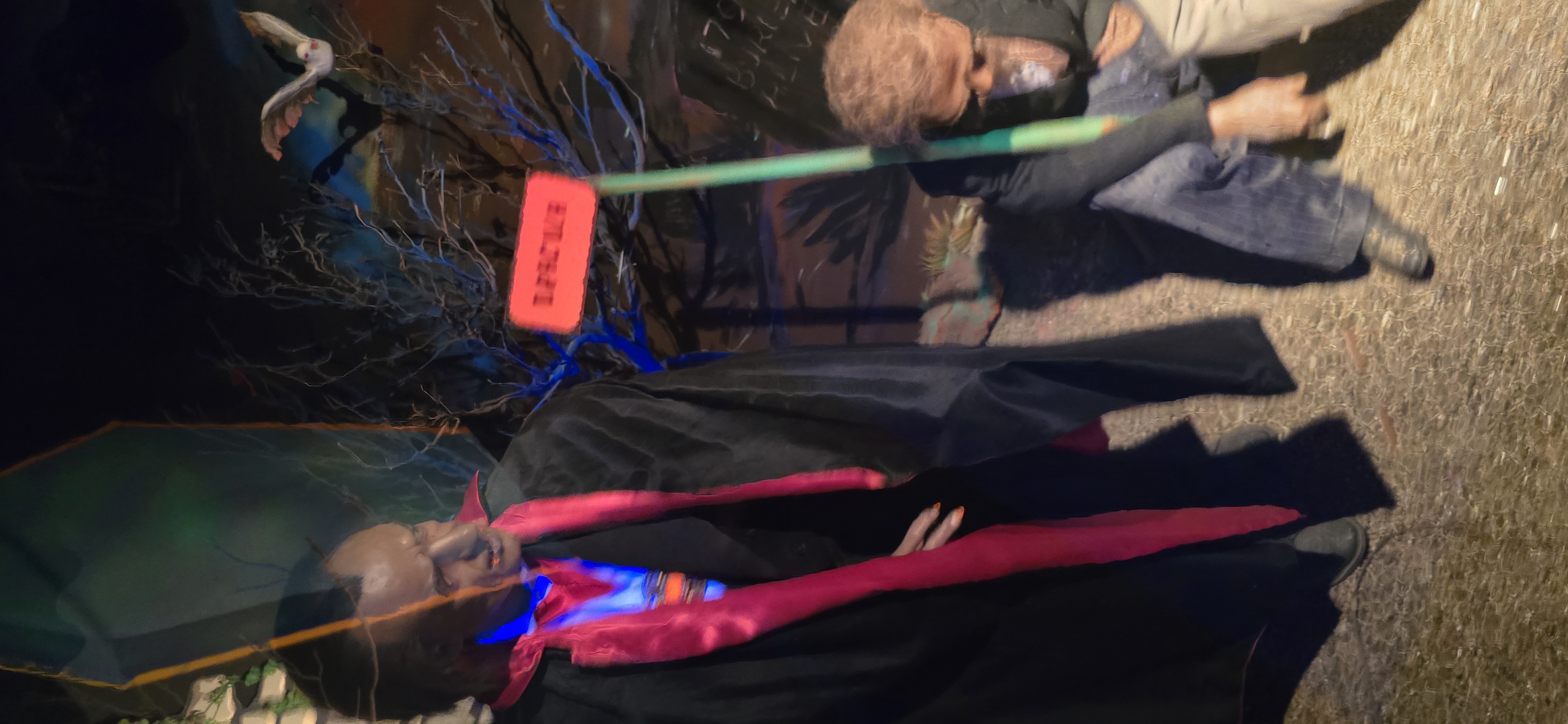
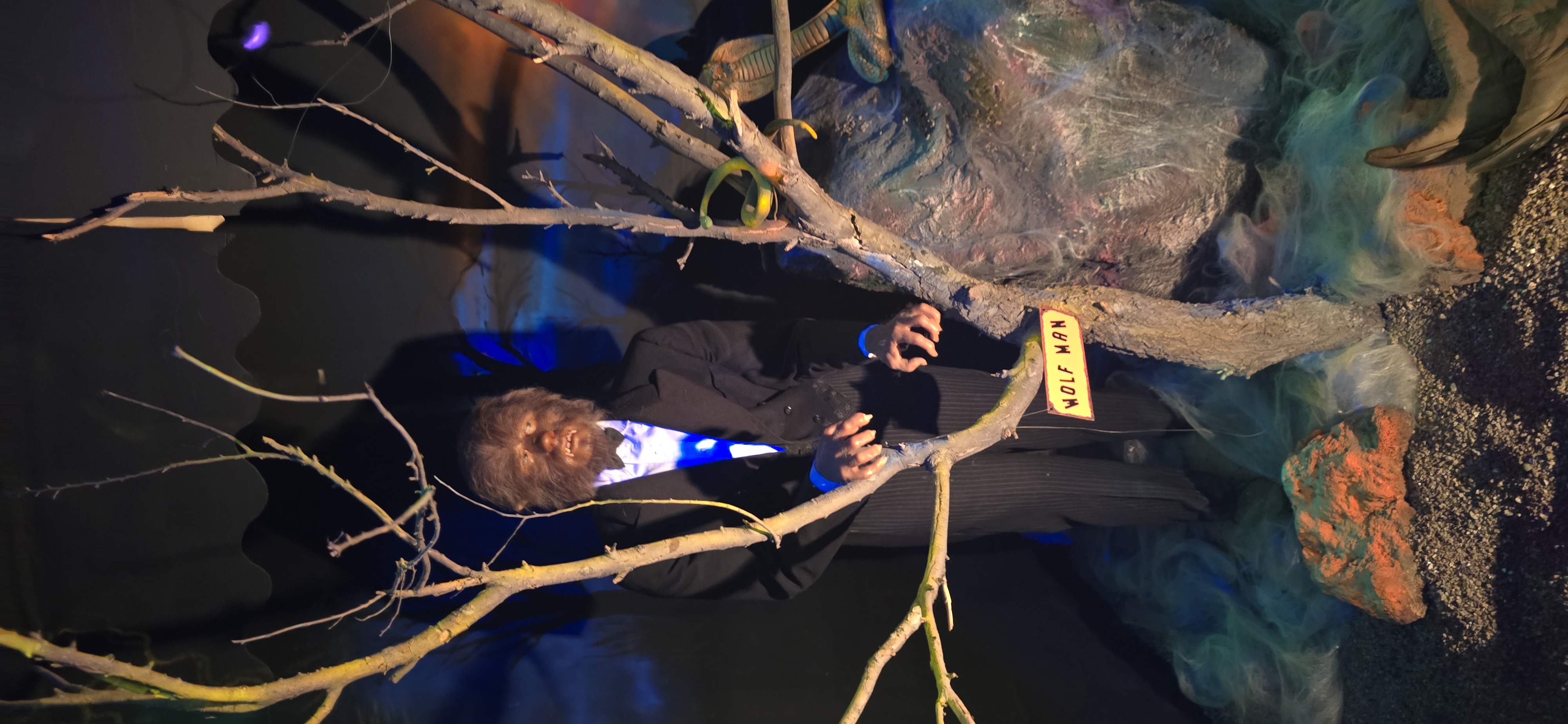
I'll be honest with you: the Gunfighter's Wax Museum was ten dollars and a lesson in managing expectations. The figures are earnest. The presentation is well-intentioned. But somewhere between the uncanny valley of wax faces and an inexplicable Dracula exhibit - I'm still not entirely sure what Dracula's relationship to the American frontier is supposed to be - I accepted that this particular stop was more comedy than history. No regrets. Sometimes the answer to "should I do this?" is "yes, absolutely, for the story."
Boot Hill Distillery
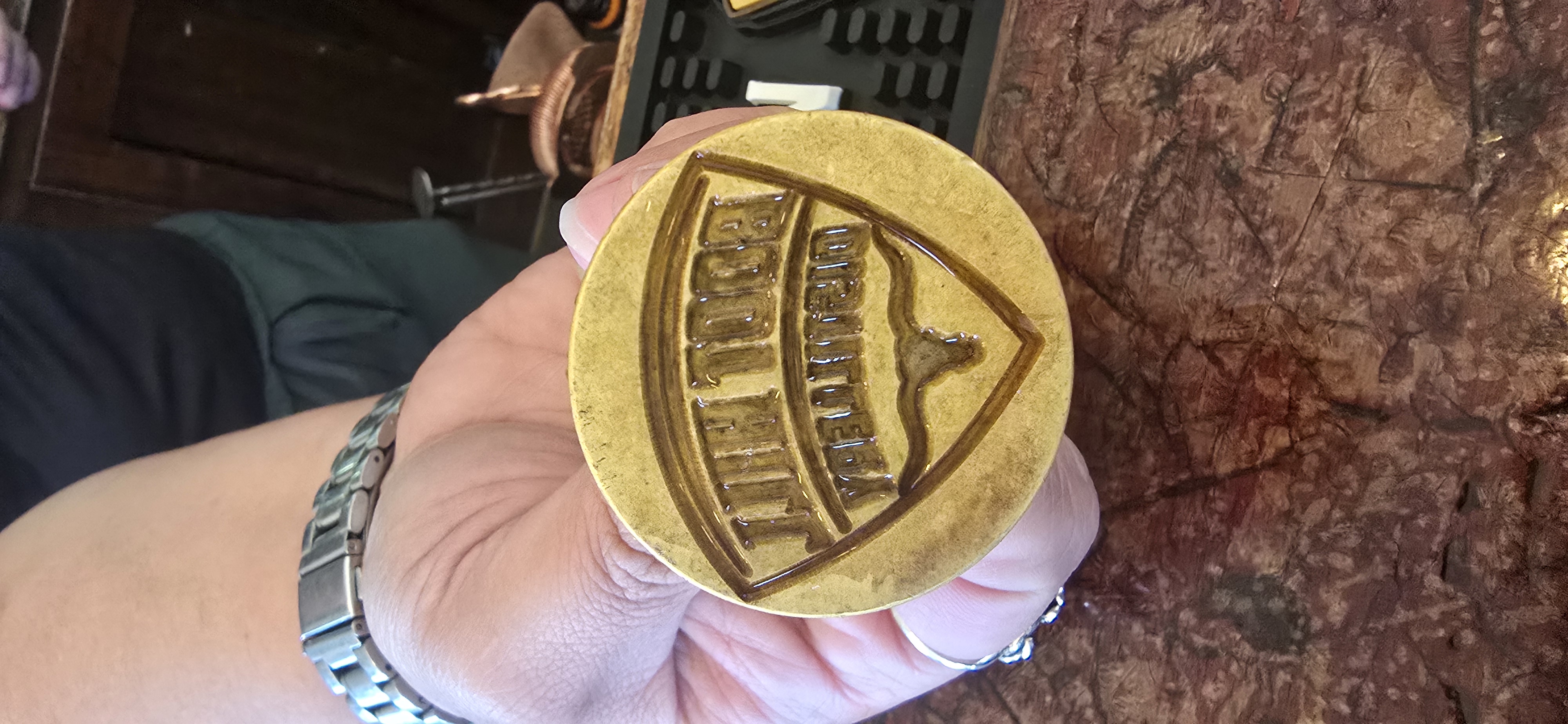
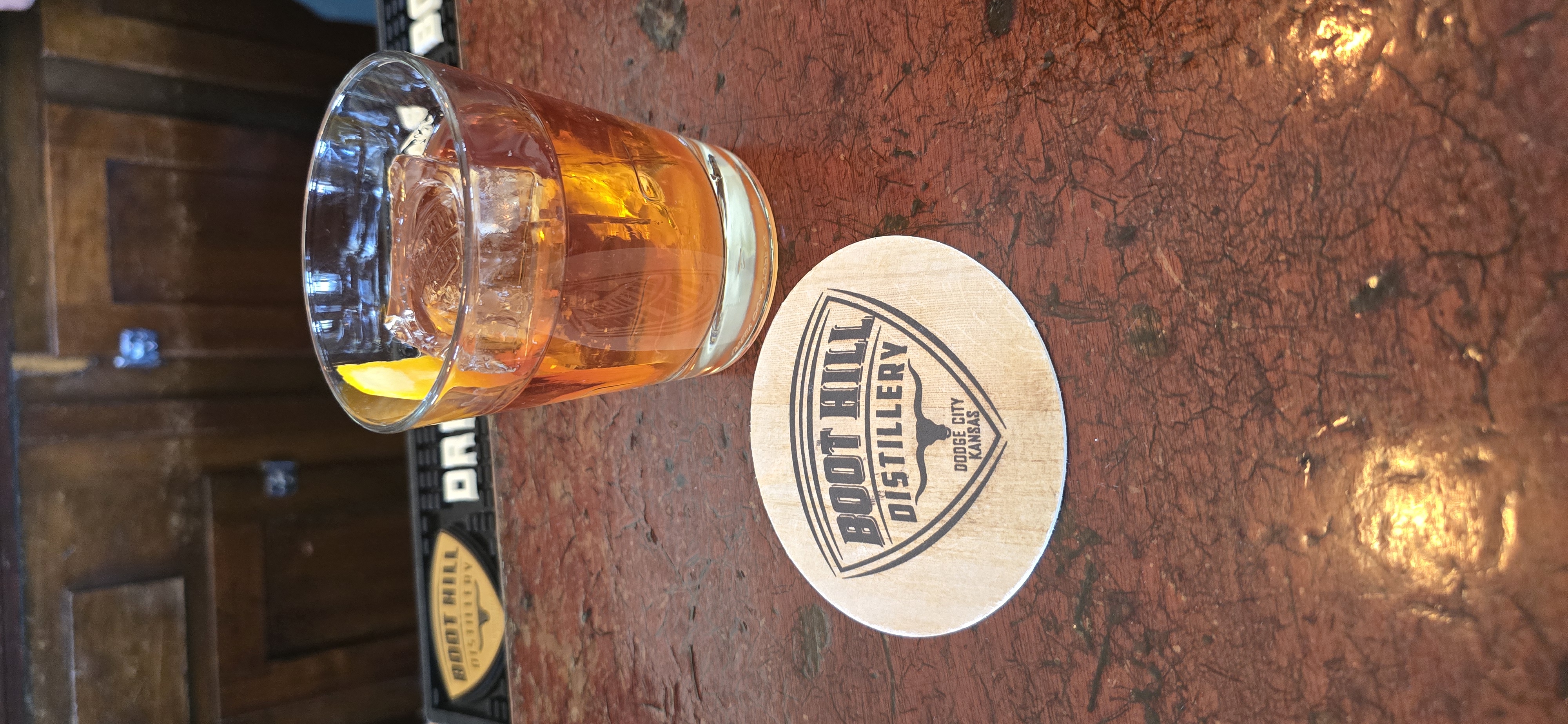
The Boot Hill Distillery is a different kind of experience entirely - genuine craft, good product, and a story worth hearing.
They were awarded a grant to help launch the operation, and the grant came with a requirement: produce a whiskey that reflects the authentic history of the region. So they did the research. They found what cowboys were actually drinking in Dodge City in the 1870s. They sourced heritage grains. They built a recipe backward from historical record.
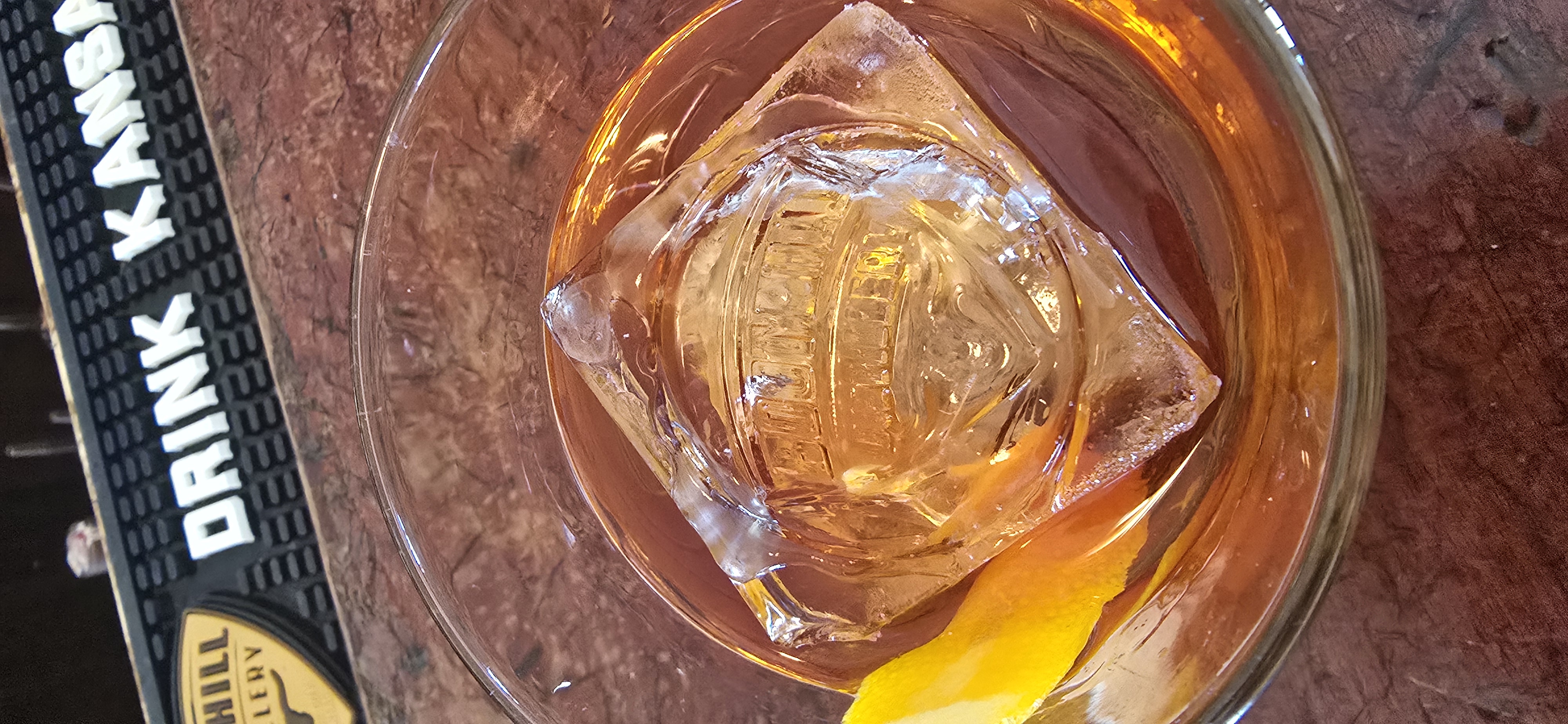
The result is an Old Fashioned I ordered without knowing any of that backstory, and I thought it was excellent before I learned what went into making it. When the bartender told me the story, it got better.
Marshal Pass
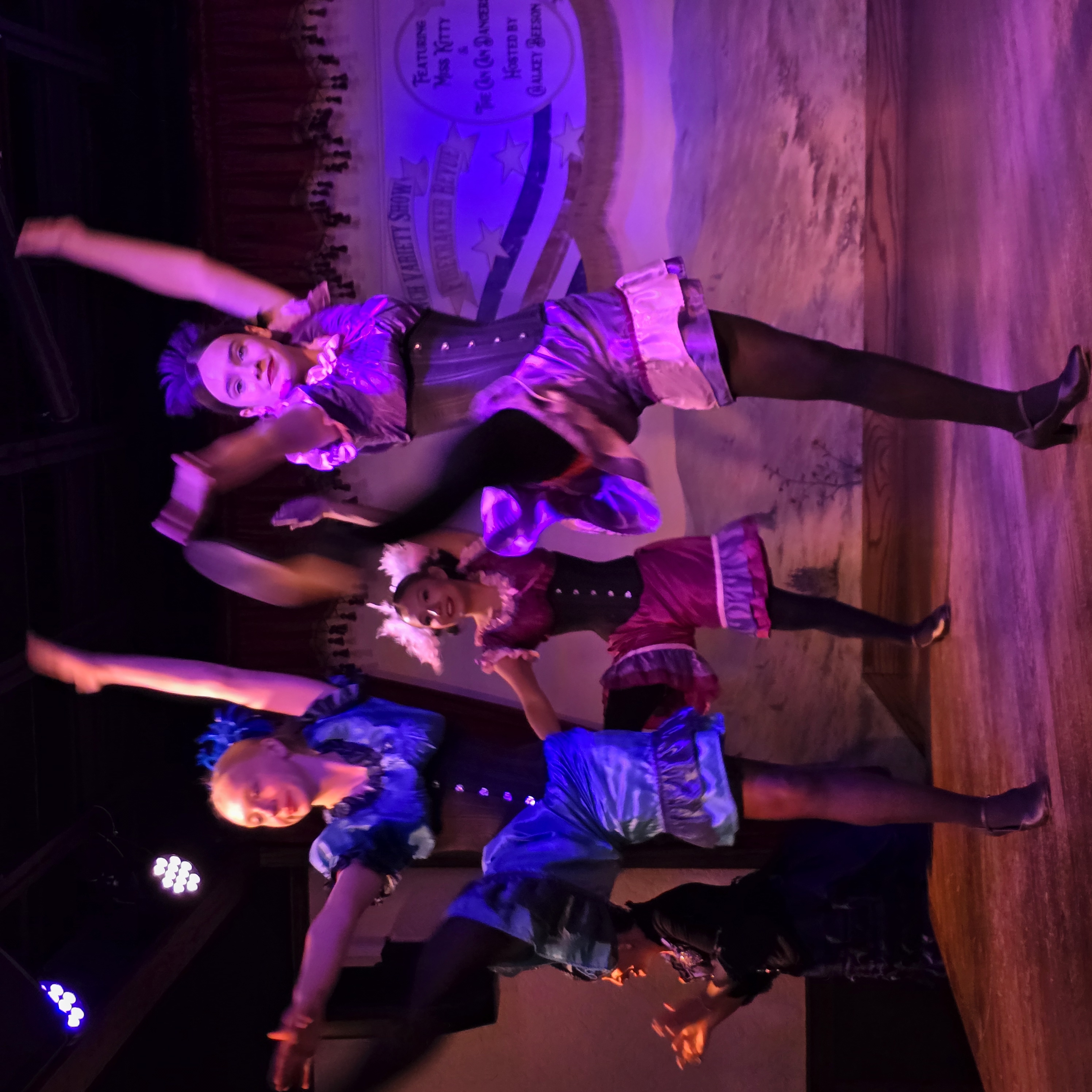
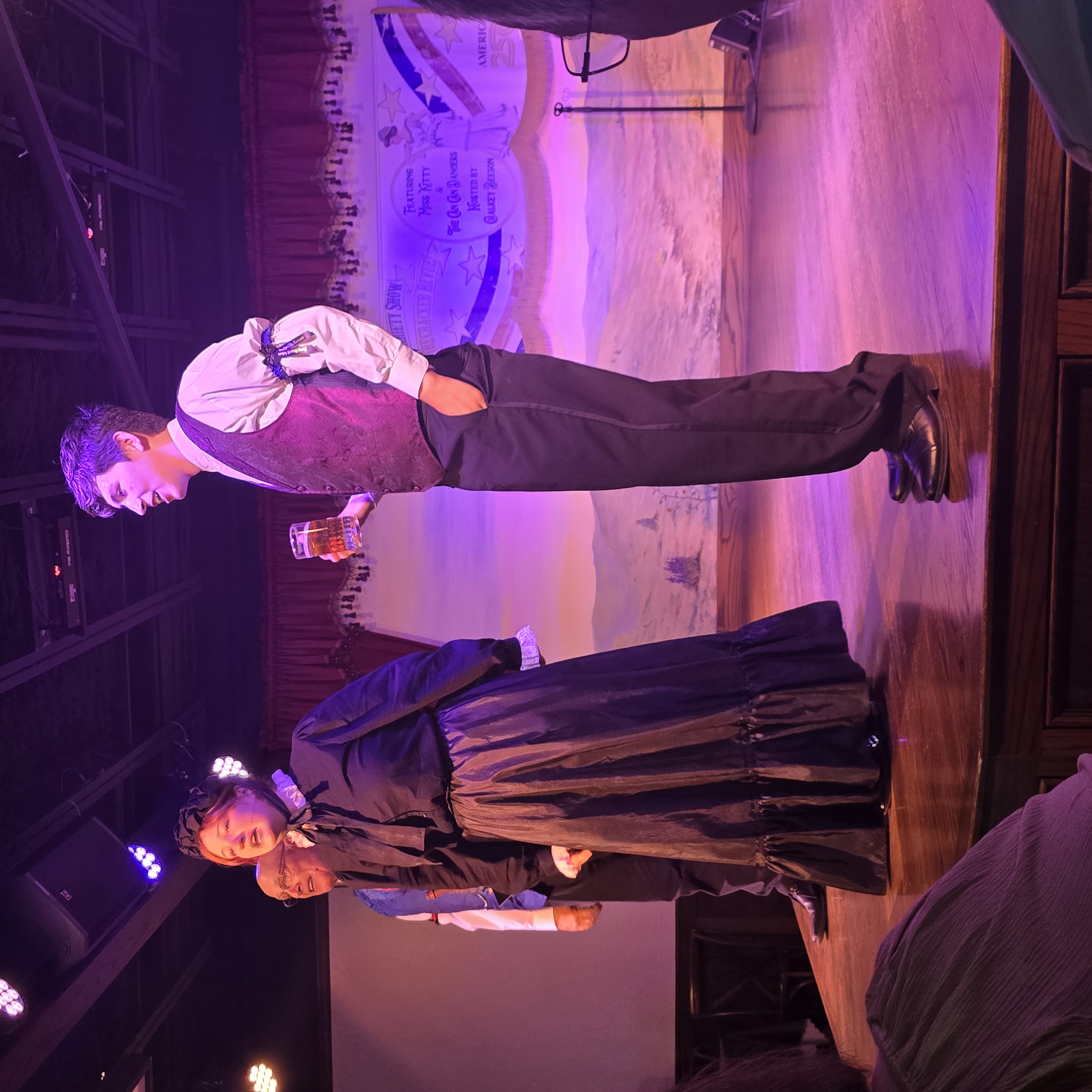
The Boot Hill Museum runs an evening show called Marshal Pass - dinner theater set in the Front Street reconstruction, actors playing out scenes from the Dodge City of the 1870s. The performance was solid. The food was not the point, and it knew it.
But the experience of sitting in a reconstructed saloon on a summer night while actors staged a period-accurate standoff in the street outside is exactly the kind of thing Dodge City does well. They've had a hundred years to figure out how to tell this story, and they've mostly figured it out.
What History Feels Like From a Saddle
There's something about traveling by motorcycle that makes historical thinking natural. You're exposed to the landscape in a way that a car doesn't allow. You feel the distance as actual distance, not as time passed in a climate-controlled box. The wind, the temperature, the scale of the plains - it all arrives unfiltered.
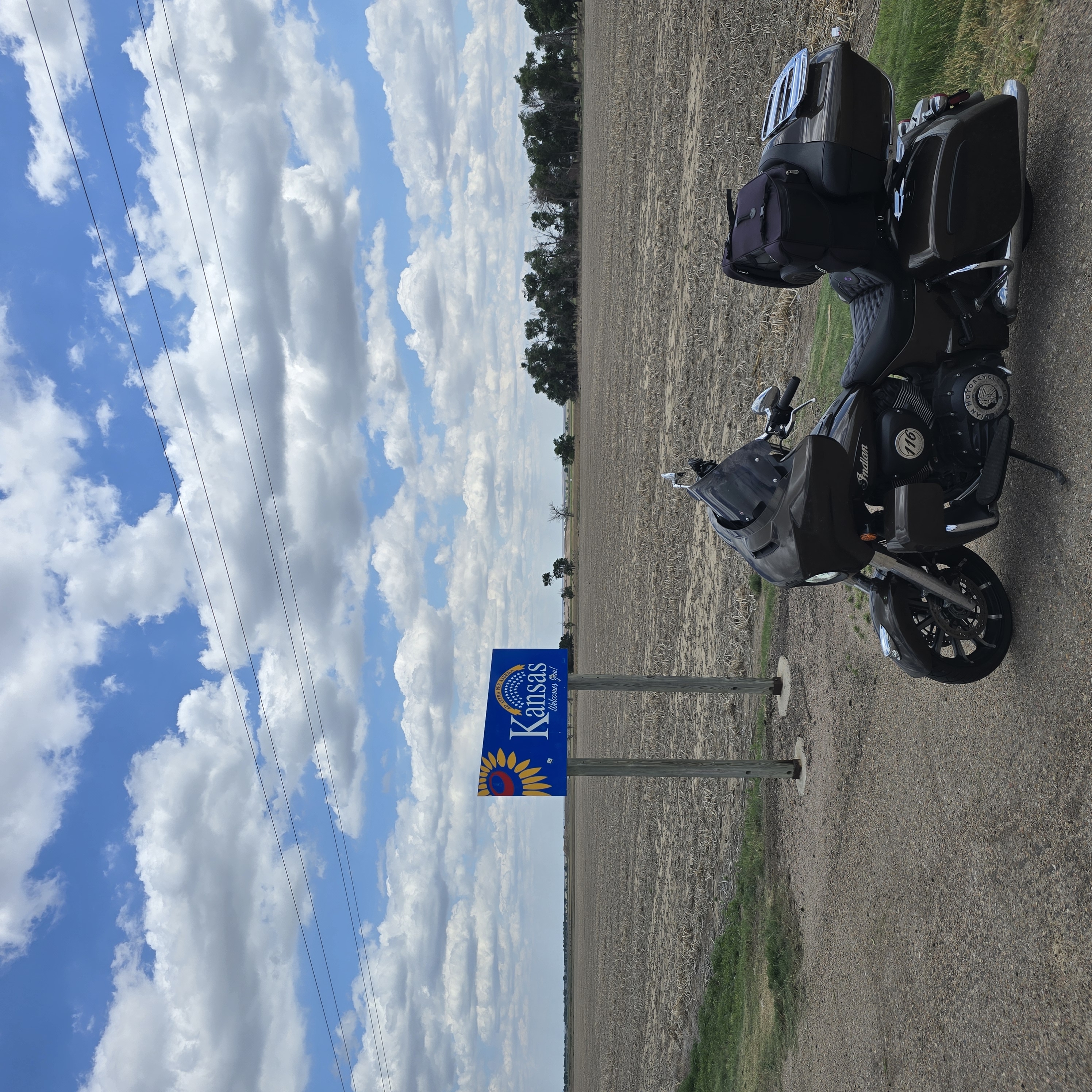
Riding across Kansas, through land that still carries the memory of the cattle drives and the wagon trains, I kept thinking about what it means to move across a continent under your own power. What it costs. What it requires of you.
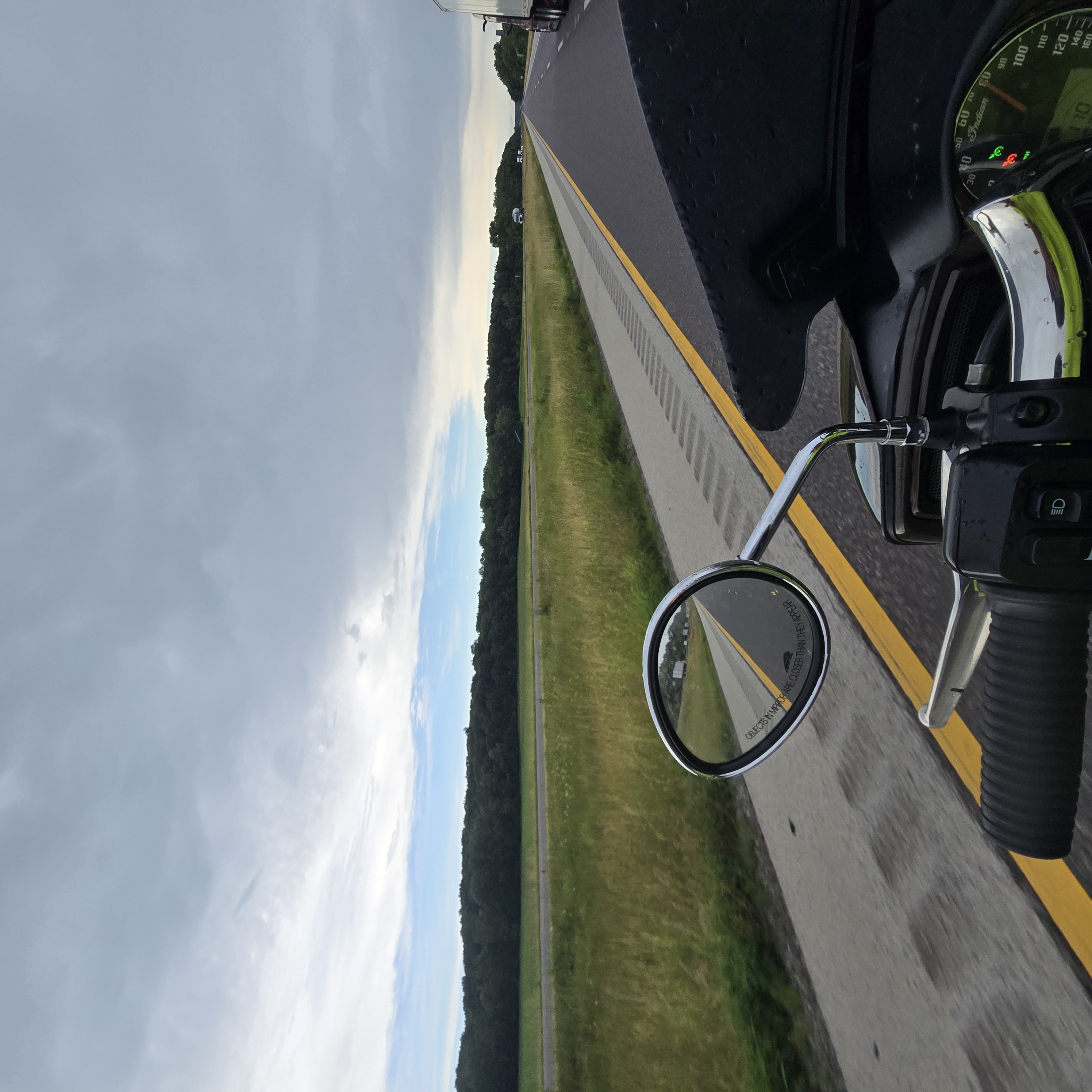
The people who walked these trails didn't know they were making history. They were just trying to get somewhere. The ruts they left are still there because the earth holds what passes through it.
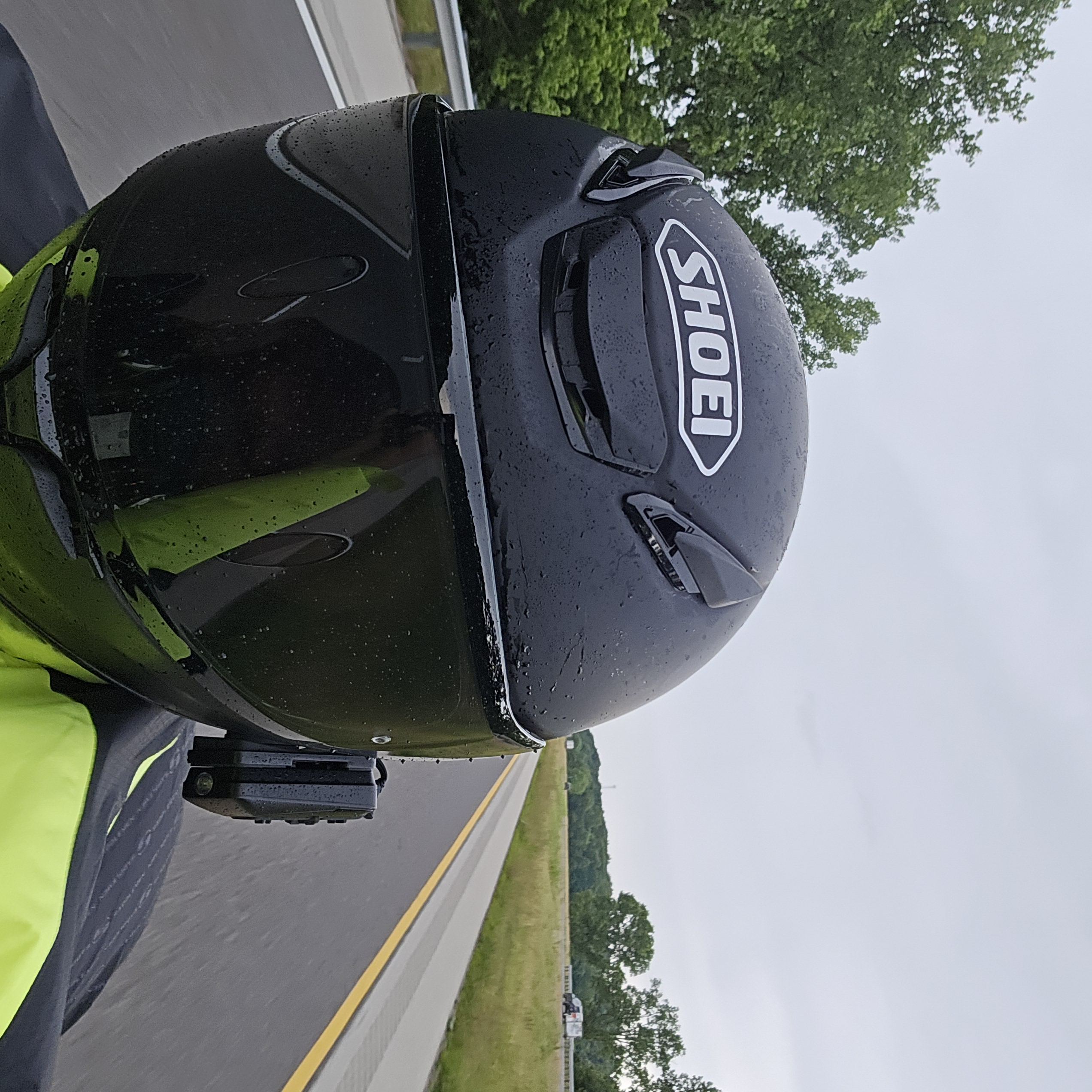
The road gives back what you're willing to notice.
This ride was a 26-day motorcycle journey from Delaware, Ohio to Huntington Beach, California and back. This is Part 4 of a 6-part series. Read Part 3 here.